Keeping Senior Dogs Calm During Fireworks & Storms UK
As autumn sets in across the UK, the combination of unpredictable stormy weather and the prolonged firework season—stretching from Halloween through Bonfire Night and up to New Year’s Eve—can turn home into a nerve-wracking environment for many dogs.
For senior dogs, sudden loud bangs, flashes, and deep thunder rolls are particularly challenging. Older dogs often experience changes in their vision and hearing, which makes sudden sensory inputs far more jarring. If an aging dog is also dealing with cognitive decline (canine dysfunction) or painful joints, heightened stress can physically manifest as increased stiffness, panting, and pacing.
Preparing early and establishing a reassuring, predictable environment makes a world of difference. Here is our practical guide to keeping your senior dog calm, safe, and supported during fireworks and autumn storms.
Why Firework & Storm Anxiety Worsens in Older Dogs
It is not uncommon for a dog who was relatively relaxed around loud noises in their younger years to develop noise sensitivity later in life:
- Sensory Shifts: Gradual hearing loss can make high-pitched whistles or low-frequency rumbles sound distorted and disorienting rather than predictable.
- Physical Discomfort: When a dog startles, their muscles instantly tense up. For a dog with arthritis or hip stiffness, this sudden muscular tension causes immediate pain, creating a negative association with the noise.
- Reduced Stress Resilience: Older dogs often rely heavily on routine. Sudden loud interruptions to their quiet evening routine are harder for their nervous system to process quickly.
1. Prepare the Safe Space (Den Building)
Create a secure, enclosed safe haven well before the loud noises begin so your dog views it as a positive retreat.
- Location Matters: Pick an interior room or a space away from external walls and large windows where outside flashes and bangs are muffled.
- Cover the Area: If your dog likes crates or covered beds, drape thick blankets over the top to absorb sound and block sudden light flashes.
- Comfort Items: Fill the space with their favourite orthopaedic bed, familiar-smelling blankets, and an unwashed item of your clothing for emotional reassurance.
- Close Curtains Early: Draw heavy curtains or blinds before dusk to block out sudden light flashes before the fireworks start.
2. Adjust Walk Schedules & Home Security
Prevention and timing are key during noise-heavy evenings:
- Walk in Daylight: Shift your main evening walk to early afternoon. Ensure your dog is walked, fed, and has had a chance to relieve themselves well before dusk.
- Double-Check Security: Scared dogs can panic and try to bolt. Keep back doors and garden gates locked. If you must let your senior dog out in the garden for a quick late-night toilet break, keep them on a lead just in case a sudden bang startles them.
- Microchip Details: Ensure your dog’s microchip details are completely up to date on the microchip database.
3. Sound Masking & Calming Aids
Blocking out external noise helps keep your home feeling stable:
- Background Noise: Turn on the TV, play classic radio channels, or stream dedicated “calming music for dogs” (repretedly, soft reggae and classical music have the highest success rates for lowering canine heart rates).
- Pheromone Diffusers: Plug in a synthetic canine appeasing pheromone diffuser (such as Adaptil) near your dog’s resting area at least 1–2 weeks prior to Bonfire Night so it has time to build up in the environment.
- Licking & Chewing Activities: Licking releases natural endorphins in a dog’s brain. Prepare a LickiMat spread with dog-safe peanut butter or wet food, or provide a long-lasting chew to keep their focus engaged.
4. How to Act Around Your Senior Dog
There is an old myth that comforting a fearful dog “reinforces” their fear. This is untrue—you cannot reinforce an emotion like fear with affection.
- Be a Calming Anchor: If your dog comes to you for comfort, offer gentle, slow stroke strokes and speak in a quiet, reassuring tone.
- Maintain Your Normal Routine: Act completely relaxed. Dogs take their behavioral cues from us; if you appear anxious or hyper-vigilant, your dog will feel there is a genuine threat.
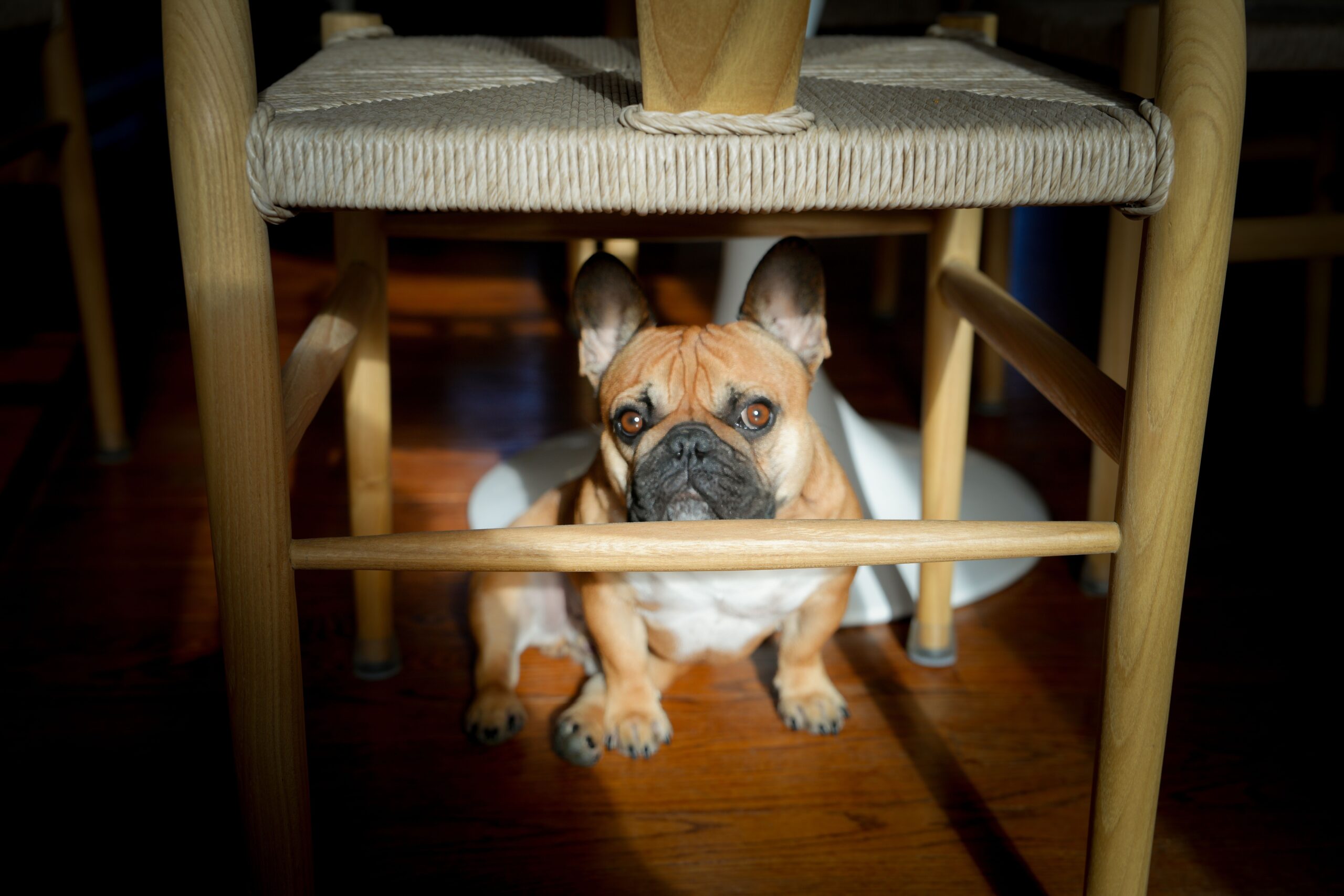
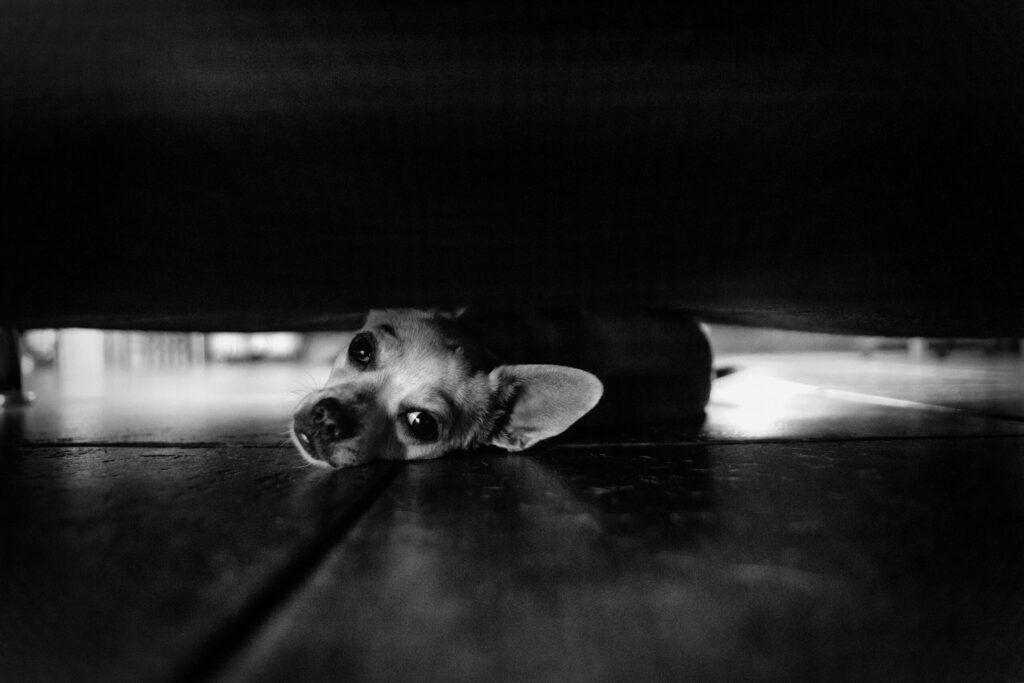
- Never Force Interaction: If your dog prefers to hide under a bed or retreat into a quiet corner, let them stay there. Forcing them out of their self-selected safe space will increase their stress.
When to Speak to Your Vet
If your senior dog experiences severe panic—such as uncontrollable shaking, salivating, pacing for hours, or attempting to injure themselves—speak to your vet ahead of time. Modern veterinary medicine offers short-acting, noise-anxiety medications specifically designed to calm the nervous system without simply sedating the muscles.
Summary Checklist for Firework Evenings
- Walk and feed early while it is still light.
- Close all windows, doors, and heavy curtains at dusk.
- Turn on background music or TV to mask outside sounds.
- Plug in calming diffusers near their main bed.
- Provide a slow-feed licking mat or soft chew.
- Stay calm, present, and supportive.
How does your senior dog handle fireworks or heavy thunder? Share your top comforting tips with our community in the comments below!