Canine Cognitive Dysfunction (CCD): Early Signs & Night-time Restlessness in Older Dogs
Noticeable changes in an older dog’s behaviour can sometimes be brushed off simply as “getting old.” But when an aging companion starts staring blankly at walls, pacing aimlessly through the house at 3:00 AM, or forgetting where their food bowl is, something deeper may be at play.
In my years working with senior dog behavior, one of the most heartbreaking conditions families encounter is Canine Cognitive Dysfunction (CCD)—often referred to as dog dementia. Much like Alzheimer’s disease in humans, CCD involves degenerative changes in the brain.
While it can feel overwhelming to notice these shifts, recognizing the early signs early allows you to make adjustments that protect your dog’s quality of life and help everyone get a better night’s sleep.
What is Canine Cognitive Dysfunction?
CCD is a medical condition caused by physical changes in the aging canine brain, including the buildup of abnormal protein deposits (beta-amyloid) and a loss of neurons. It typically affects dogs aged 10 and older.
Because dogs cannot tell us when they are feeling confused, owners often spot subtle shifts in personality or routine long before a formal diagnosis is made. Veterinarians use the acronym DISHA to categorize the core behavioral signs of CCD:
- D – Disorientation: Getting stuck behind doors, staring blankly into corners, or seeming lost in familiar rooms of the house.
- I – Interactions: Changes in social behavior—becoming unusually clingy or, conversely, distant and indifferent to family members.
- S – Sleep-Wake Cycles: Sleeping heavily all day while pacing, whining, or wandering restlessly through the house at night.
- H – Housetraining: Forgetting previously flawless house-training habits or failing to signal at the door to go outside.
- A – Activity Changes: Aimless wandering, repetitive pacing, or a sudden loss of interest in toys and walks.
The Toughest Challenge: Night-time Restlessness and “Sundowning”
For most families, the most exhausting symptom of CCD is nighttime restlessness.
As daylight fades—a phenomenon known as “sundowning”—your senior dog’s internal biological clock becomes disrupted. While you are trying to sleep, your dog may wake up, begin pacing the hallways, panting heavily, or whining for no apparent reason.
This happens because cognitive decline strips away their sense of security in the dark. Familiar rooms can suddenly look unfamiliar and frightening when shadows shift.

Practical Ways to Support a Dog with CCD
While Canine Cognitive Dysfunction cannot be cured, you can manage the symptoms and dramatically reduce anxiety with a few structured changes:
1. Maintain a Strict, Predictable Daily Routine
Dogs with cognitive decline rely heavily on routine to anchor them. Feed them at the exact same times, take them out for walks on predictable routes, and keep furniture layouts consistent. Avoid moving their bed, water bowls, or food stations.
2. Create a Safe, Confined Nighttime Space
Endless pacing through a dark, sprawling house can increase panic. Instead of giving your dog free roam of the home overnight, set up a cozy, secure “den” area in your bedroom or a smaller room using a soft crate or baby gates. Knowing you are nearby provides immense comfort.
3. Leave Soft Nightlights On
Because fading vision combined with cognitive confusion makes nighttime shadows terrifying, leave low-wattage plug-in nightlights in the hallway and kitchen to soften harsh shadows and help them navigate if they wake up.
4. Provide Daytime Mental Enrichment
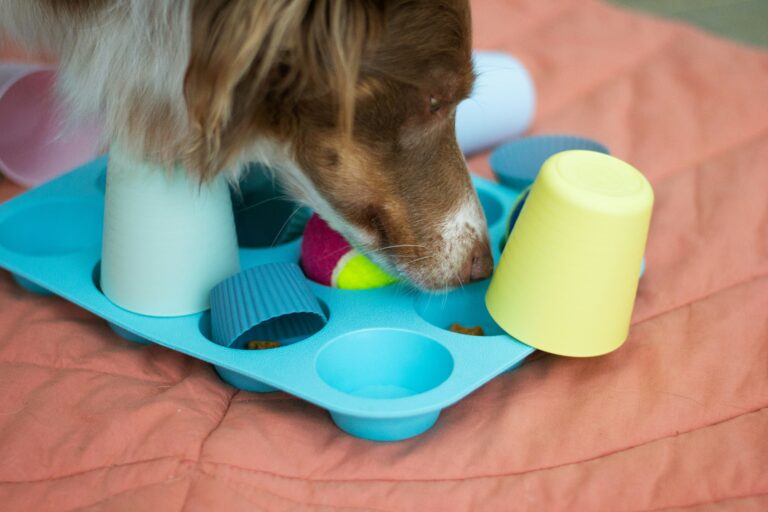
Keep their brain gently stimulated during daylight hours with slow snuffle mats, puzzle toys, or short, sensory-rich walks. Tiring their brain out constructively during the day encourages deeper, more restorative sleep when night falls.
Medical Support & Veterinary Options
If you suspect your dog is showing early signs of CCD, schedule a visit with your UK vet. Crucially, your vet will need to rule out other treatable conditions that mimic dementia—such as chronic pain, canine cognitive decline triggered by failing eyesight/hearing, or underlying kidney and thyroid issues.
If CCD is diagnosed, your vet may recommend:
- Dietary Adjustments: Specialised therapeutic senior dog foods enriched with medium-chain triglycerides (MCT oils) and antioxidants, which provide alternative energy sources for aging brain cells.
- Medications: Licensed veterinary medications (such as Selegiline or Vivitonin) designed to improve cerebral blood flow and neurotransmitter function.
- Calming Supplements: Natural calming aids containing L-theanine, chamomile, or passionflower to soothe nighttime anxiety.
Summary: Patience, Compassion, and Adaptability
Living with a dog experiencing cognitive decline requires immense patience, but understanding why your dog is behaving differently changes everything. By recognizing the early signs, creating a secure environment, and working closely with your vet, you can help your faithful companion navigate their golden years with dignity and peace.
Recommended Next Steps for Behaviour & Health
Want to explore more practical strategies for managing anxiety, sleep cycles, and routine adjustments in older dogs? Visit our dedicated Behaviour & Routine Hub.