How to Introduce a Safe, Comforting Routine for an Aging Dog
Written by Sarah Jenkins | Canine Behaviour & Routine Specialist
As dogs reach their senior years, predictability becomes their greatest comfort. Age-related changes—such as gradual vision decline, hearing loss, joint stiffness, or mild cognitive confusion—can make an unstructured environment overwhelming. When a dog knows exactly what to expect throughout the day, their baseline stress drops dramatically.
Establishing a consistent, gentle daily routine doesn’t mean imposing rigid military timing. Instead, it involves building a comforting rhythm around meals, short mobility breaks, gentle mental engagement, and restorative rest.
1. Why Predictability Matters for Senior Dogs
In young dogs, novelty and surprise spark excitement. In senior dogs, unexpected schedule shifts can trigger anxiety or agitation.
- Reduces Cognitive Load: A fixed sequence of events helps dogs with mild memory loss navigate their day without worry.
- Prevents House-Soiling Accidents: Older bladders and sphincters benefit from scheduled, frequent garden opportunities before urgency sets in.
- Improves Nighttime Rest: Structuring physical activity and mental stimulation earlier in the day ensures deeper, uninterrupted evening sleep.
2. Designing the Ideal Senior Dog Daily Schedule
Here is an adaptable daily framework designed specifically for aging dogs:
+----------------+-------------------------------------------------------------------------+
| Time Block     | Recommended Activity & Comfort Focus                                    |
+----------------+-------------------------------------------------------------------------+
| Early Morning  | Gentle garden visit, gentle joint stretch, followed by breakfast.        |
| Mid-Morning    | Short "sniffari" walk (10–15 mins) on soft ground; deep morning nap.   |
| Early Afternoon| Low-impact lick mat or snuffle puzzle; garden bathroom break.           |
| Late Afternoon | Main evening meal; light garden access before dusk.                     |
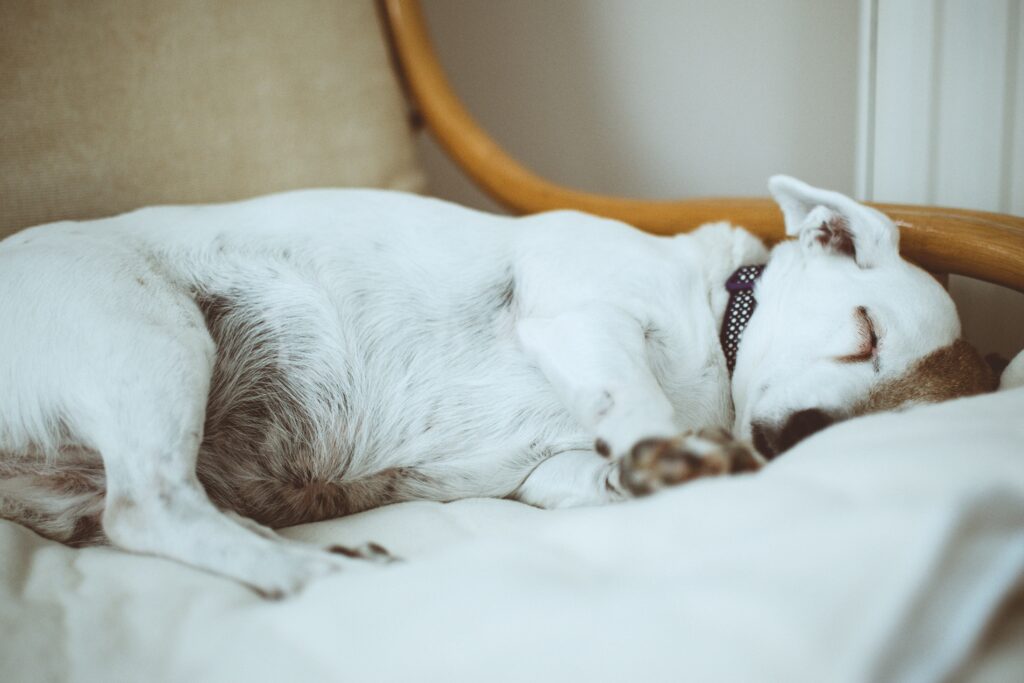
| Evening        | Dim lights, soothing background noise, bedtime calming routine.         |
+----------------+-------------------------------------------------------------------------+
3. Transitioning Smoothly to a New Schedule
If your current routine is unpredictable, avoid changing everything overnight. Introduce adjustments gradually:
Step 1: Anchor Meal and Potty Times First
Set fixed times for morning and evening meals, accompanied by immediate, calm garden access. This stabilizes their digestive rhythm and reduces indoor accidents.
Step 2: Swap Long Walks for Frequent “Sniff-Walks”
Rather than one long daily walk that leaves joints sore, split exercise into two short 10-minute outings. Focus on letting your dog sniff deeply rather than covering distance.
Step 3: Establish an Evening “Wind-Down” Signal
Transition your living room environment around 7:00 PM:
- Lower overhead lighting to reduce harsh glare.
- Turn on soft, warm lamps at dog eye-level.
- Play calm white noise or soft acoustic music to mask sudden outside noises that cause startling.
Further Guidance on Senior Dog Behaviour
For more expert advice on managing night-time restlessness and cognitive health, visit our complete Behaviour & Routine Hub.