Best home Hydrotherapy and Massage Techniques for Stiff Dogs
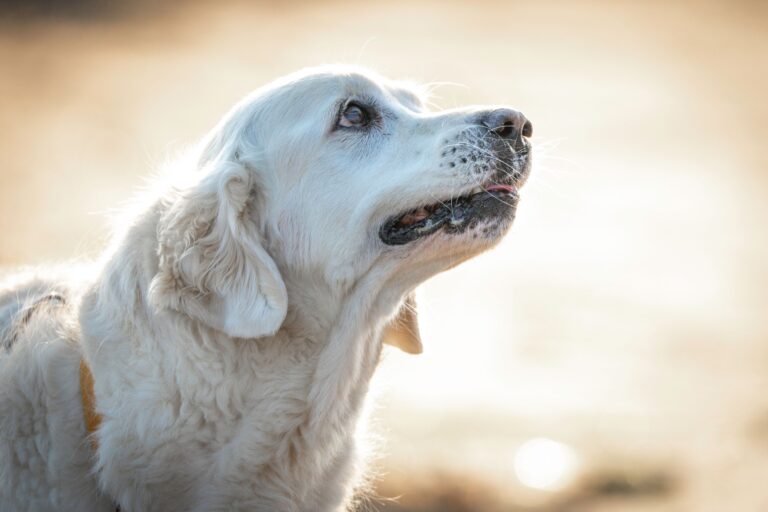
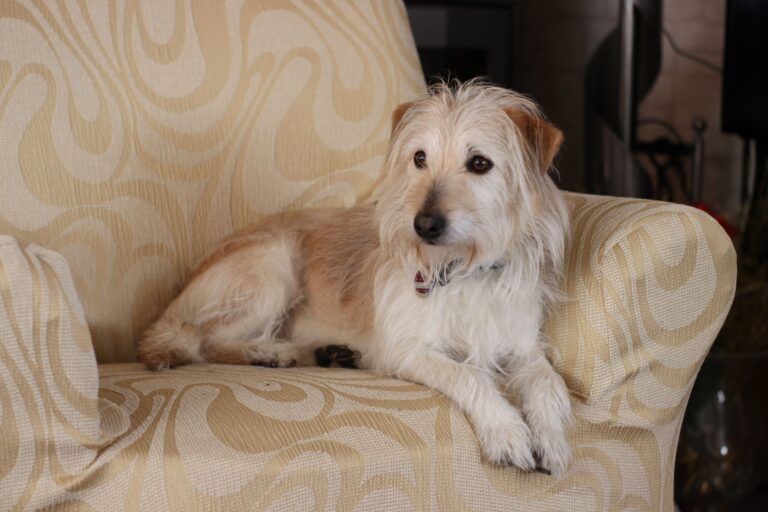
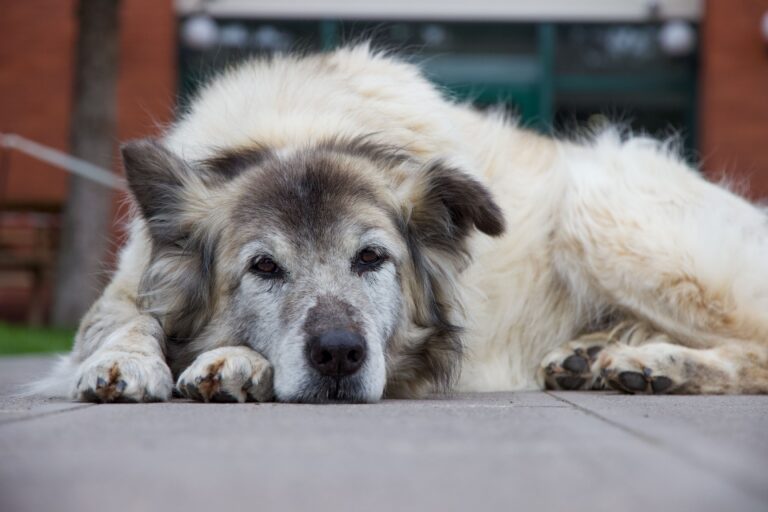
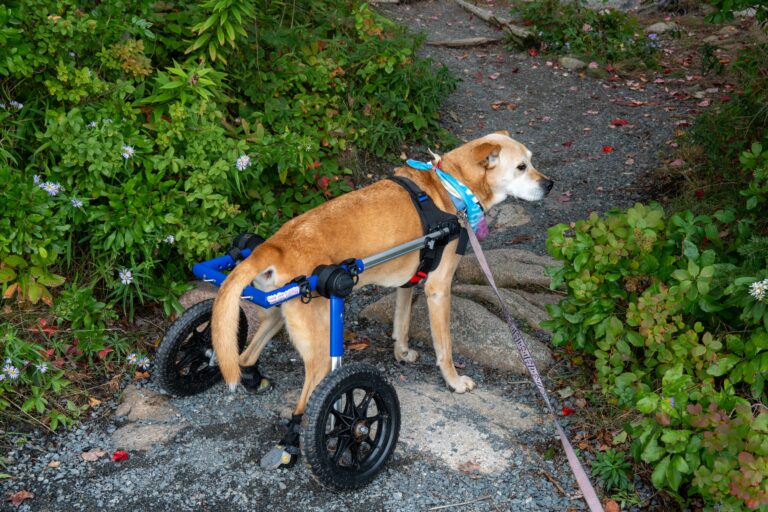
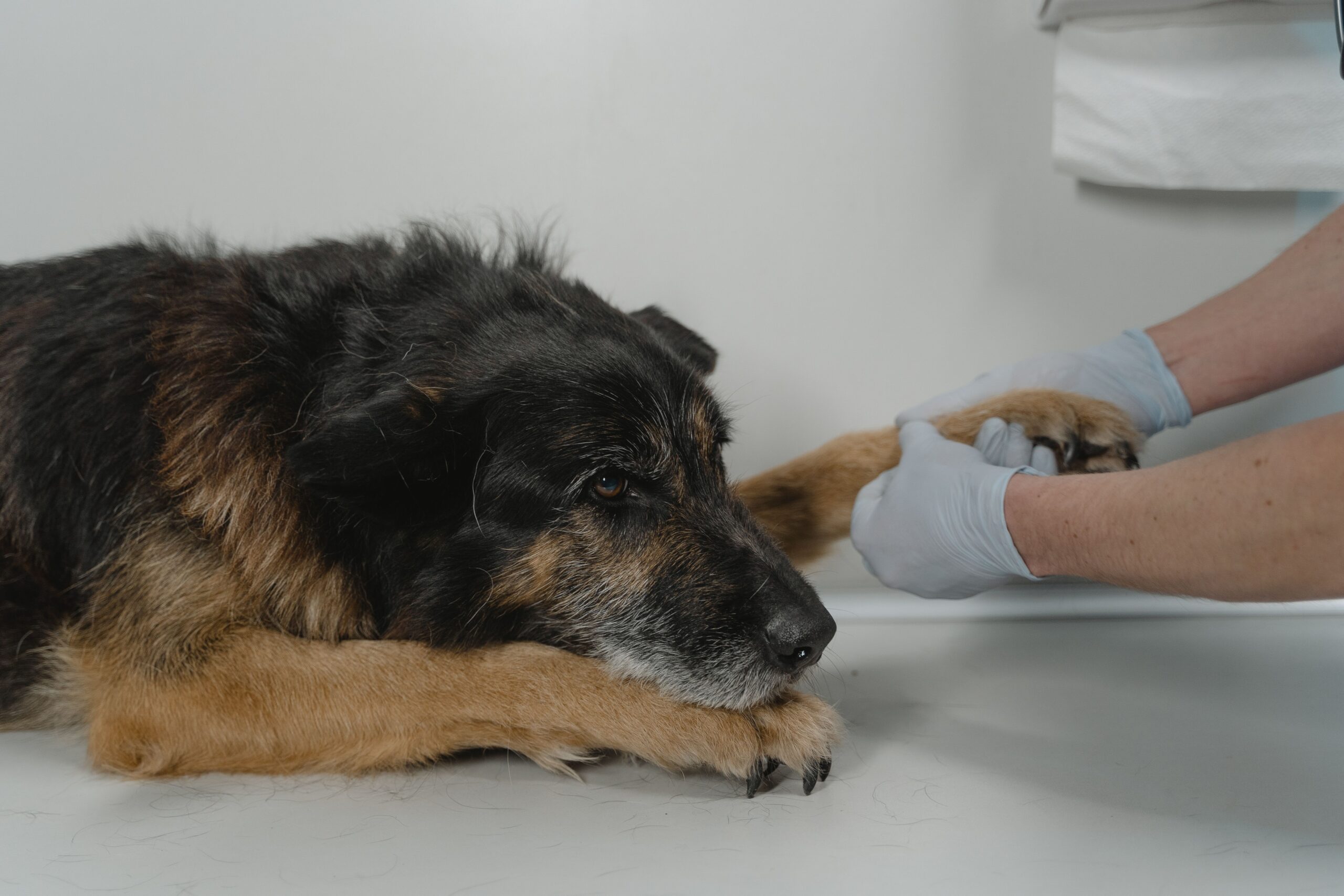
Watching a senior dog struggle to stand up after a long nap or move gingerly on chilly mornings is one of the hardest parts of living with an aging companion. As joint cartilage wears down and conditions like osteoarthritis set in, muscles naturally tense up to compensate for instability and pain.
While formal hydrotherapy sessions in a professional underwater treadmill or hydrotherapy pool are fantastic, you don’t always need specialized equipment to provide relief. Simple, targeted home massage techniques and gentle water-based therapies can significantly reduce stiffness, boost circulation, and keep your dog’s joints moving more comfortably.
Here is a practical guide to safe home hydrotherapy principles and gentle canine massage techniques you can easily integrate into your senior dog’s daily routine.
The Benefits of Home Hydrotherapy & Canine Massage
Before starting, it helps to understand how these soft-tissue therapies work together:
- Increased Blood Circulation: Gentle massage warms up cold, stiff muscle fibres, delivering fresh oxygen and nutrients to sore joints.
- Pain Relief via Endorphins: Safe, soothing physical touch releases natural endorphins, lowering stress hormones and relaxing guarded body posture.
- Reduced Buoyancy & Impact: Warm water removes gravity’s heavy load from aging joints, allowing your dog to flex and extend their legs without bearing full body weight.
3 Safe Home Massage Techniques for Stiff Dogs
Always perform massage when your dog is already resting quietly on a comfortable, supportive bed. Never force a dog to stay still if they show signs of discomfort or try to move away.
1. Effleurage (Gentle Warming Stroking)
Effleurage is a broad, soothing stroke designed to warm up muscles and calm the nervous system before moving deeper.
- How to do it: Place your flat palm against your dog’s coat starting at the neck. Using light, continuous pressure, smooth your hand flat down along the spine toward the tail and down the main muscle groups of the thighs.
- Duration: Repeat for 2–3 minutes until the skin feels warm under your touch.
- Golden Rule: Never press directly on bony prominences like hip bones or knee joints. Focus purely on fleshy muscle groups.
2. Passive Range of Motion (PROM) Exercises
Passive Range of Motion helps maintain flexibility in stiff hips and knees without forcing the dog to bear weight.
- How to do it: While your dog is lying comfortably on their side, gently hold the lower leg. Slowly guide the leg in a smooth, gentle cycling motion—moving forward into slight flexion, then gently backward into light extension.
- Important: Stop immediately at any sign of resistance or tension. Never force a joint past its natural, comfortable stopping point.
3. Skin Rolling for Back Stiffness
Aging dogs often hold immense tension in the fascia (connective tissue) along their back muscles.
- How to do it: Lightly pinch a loose fold of skin between your thumb and forefingers on either side of the spine. Gently roll the fold of skin forward toward the shoulder blades, releasing as you go.
- Benefit: Relieves tight fascia and stimulates nervous system recovery.
Safe “Home Hydrotherapy” Principles
True hydrotherapy involves regulated temperature pools and life jackets, but you can adapt water-based therapy at home safely:
1. Warm Water Compress Therapy
For dogs with severe arthritis who dislike baths, warm compress wraps work wonders on stiff hips and elbows:
- Soak a thick towel in warm (not hot!) water.
- Wring out excess water and drape the warm towel over your dog’s hips or stifles for 5–10 minutes while massaging gently over the towel.
- The heat penetrates deep into muscle tissues, reducing morning stiffness quickly.
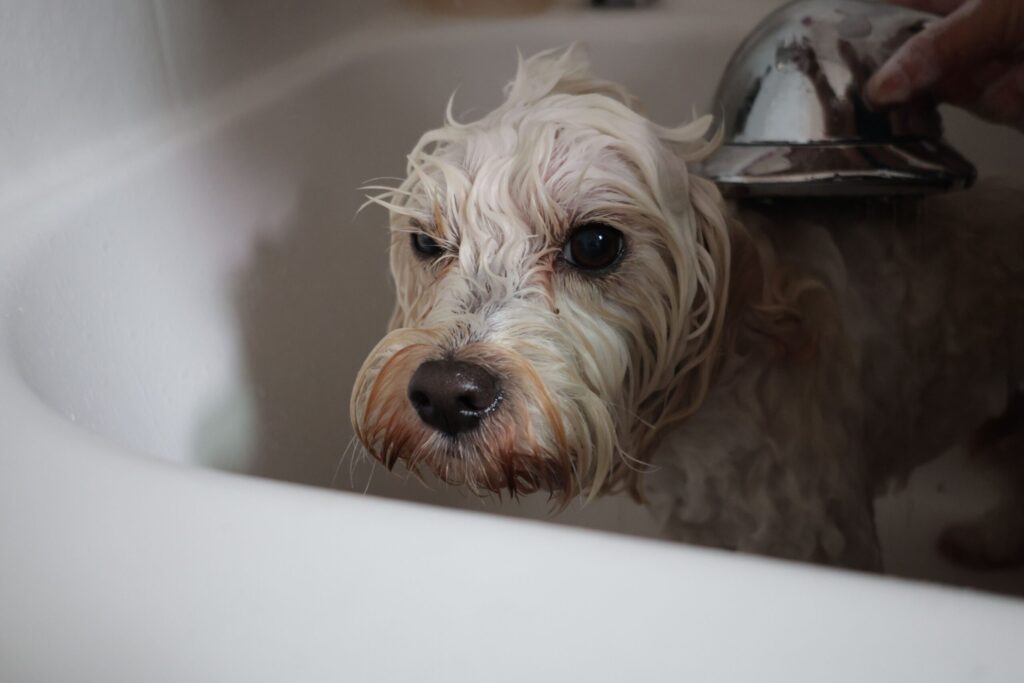
2. Warm Bath Soaks & Gentle Movement
If you have a walk-in shower or accessible bathtub with non-slip rubber mats:
- Fill the tub with shallow, warm water up to knee height.
- Allow your dog to stand supported while you gently pour warm water over their back and hips using a soft cup or shower head.
- The warmth eases joint soreness while the water provides minor buoyancy support.
Safety Precautions: When NOT to Massage
To keep your dog safe, avoid massage and hydrotherapy if your dog has:
- Open wounds, hot spots, or skin infections.
- Acute inflammation or a swollen, warm-to-the-touch joint (apply a cool pack instead of heat).
- A high fever or ongoing viral illness.
- Known bone fractures or recent surgical sites (unless specifically cleared by your vet).
The Bottom Line
Just 5 to 10 minutes of gentle massage each day can transform your senior dog’s mobility and overall mood. By pairing gentle warmth with slow, supportive touch, you give your dog an effective, low-stress tool to manage age-related stiffness from the comfort of home.
Have you tried massage or warm therapy for your aging dog? Let us know what techniques work best for your companion in the comments below!