
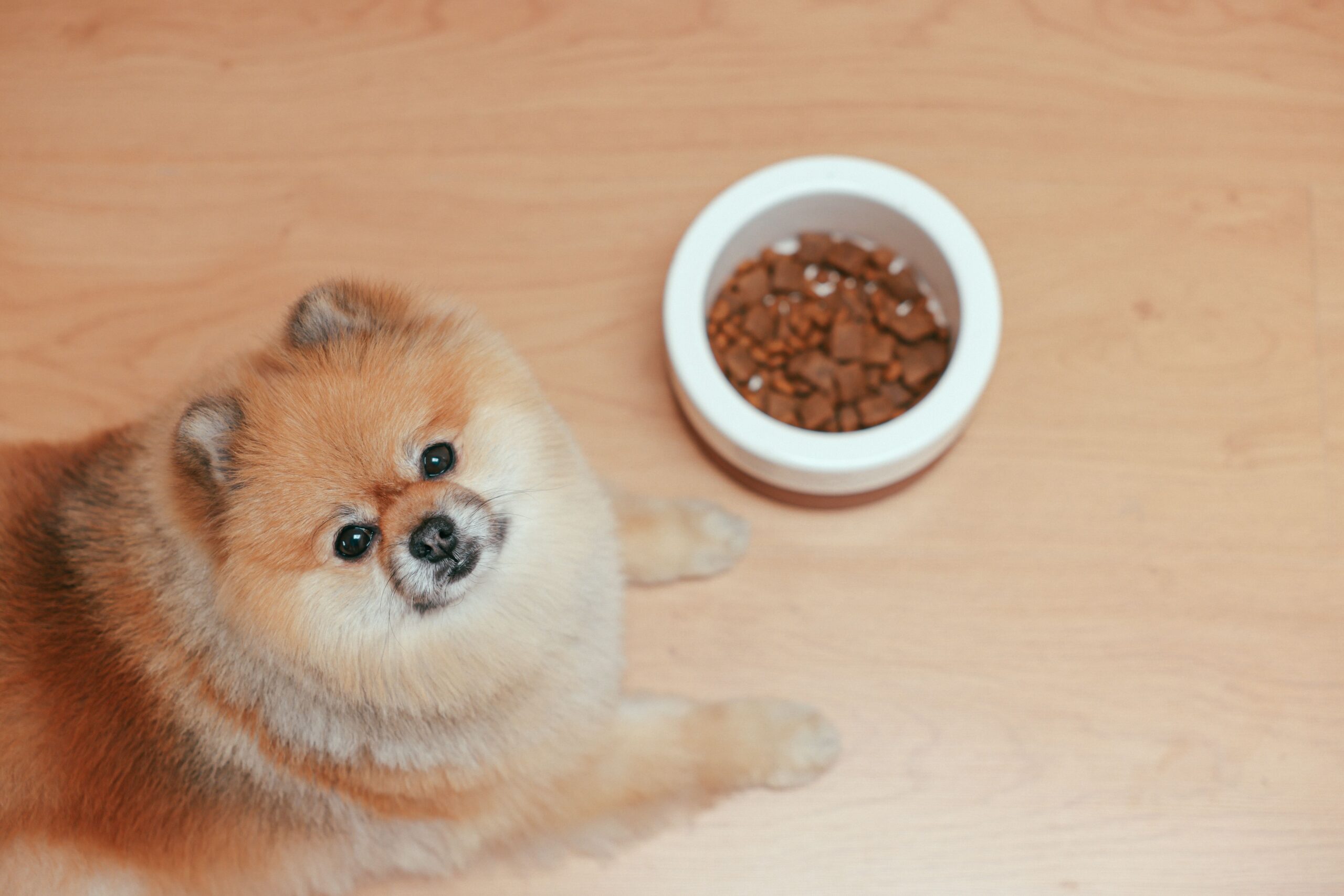
Feeding Senior Dogs with Reduced Appetites: Healthy Toppers & Tips
It can be deeply concerning when a senior dog who previously never missed a meal suddenly snubs their bowl. A pickier appetite is one of the most common challenges faced by owners of aging dogs, but it is rarely just “fussy eating.”
As dogs age, their sense of smell and taste naturally wanes, dental discomfort can make hard kibble painful to chew, and age-related conditions like kidney changes or joint stiffness can cause mild, underlying nausea.
Getting adequate calories and nutrients into your older dog is critical for maintaining muscle mass and strength. Here is a practical guide to identifying why your senior dog’s appetite has dropped, along with safe, nutritious toppers and simple feeding strategies to entice them back to their bowl.
1. Rule Out Medical Causes First
Before experimenting with delicious toppers, it is essential to ensure your dog’s reduced appetite isn’t caused by an unmanaged health issue:
- Dental Pain: Cracked teeth, inflamed gums, or tartar buildup make chewing dry food excruciating.
- Nausea & Systemic Issues: Kidney disease, liver changes, and gastrointestinal upset often manifest as sudden food aversion.
- Medication Side Effects: Many common pain medications or anti-inflammatories for arthritis can irritate the stomach lining.
If your senior dog refuses food for more than 24–48 hours, or shows signs of lethargy, vomiting, or sudden weight loss, consult your vet before altering their diet.
2. Healthy & Enticing Meal Toppers
When your dog’s sense of smell dulls, standard dry kibble loses its appeal. Adding a small amount of warm, aromatic topper can make all the difference.
Safe Bone Broth (Unsalted)
- Why it works: Bone broth is packed with moisture, collagen, and amino acids.
- How to serve: Warm a few tablespoons of low-sodium, dog-safe bone broth (free from onions, garlic, and excessive salt) and pour it over their regular food to create a rich gravy.
Lightly Steamed Plain White Fish or Chicken
- Why it works: Highly digestible, gentle on sensitive stomachs, and packed with irresistible natural aromas.
- How to serve: Shred a small portion of boiled or steamed chicken breast or plain white fish (cod or boiled poached fish) and mix it directly into their kibble.
Pure Plain Pumpkin or Sweet Potato Puree
- Why it works: Rich in dietary fiber and naturally sweet.
- How to serve: Add one spoon of 100% pure pumpkin puree (not pumpkin pie mix!) or mashed sweet potato to support digestion and entice picky eaters.

Warm Wet Food or Complete Meal Pouches
- Why it works: Wet food contains significantly higher moisture levels and stronger scents than dry kibble.
- How to serve: Mix 1–2 tablespoons of a high-quality senior wet food into dry kibble and stir thoroughly so they cannot simply lick off the top layer.
3. Feeding Strategies to Boost Appetite
Sometimes how you feed your senior dog is just as important as what you feed them:
- Warm Up the Food: Cold food straight from the fridge has very little scent. Micro-waving wet food or broth for just 5–10 seconds releases smell molecules, triggering your dog’s natural feeding instincts.
- Elevate the Bowl: Bending all the way down to floor level can be painful for dogs with stiff necks, shoulders, or arthritis in their front legs. Using an elevated bowl reduces physical strain while eating.
- Switch to Smaller, Frequent Meals: A large bowl of food can feel overwhelming to a dog feeling slightly nauseous. Try offering 3 or 4 smaller meals throughout the day instead of 2 large ones.
- Hand-Feeding & Softening: For dogs struggling with cognitive changes, hand-feeding the first few bites can gently coax them into eating. You can also soak dry kibble in warm water for 15 minutes to turn it into a soft, easy-to-chew mash.
What to Avoid
While tempting to offer human table scraps to get them to eat anything, avoid high-fat foods like bacon, melted cheese, sausage, or buttered meats. Heavy fats can easily trigger acute pancreatitis—a painful and dangerous condition in senior dogs. Always avoid toxic ingredients like onions, garlic, grapes, raisins, and cooked bones.
Summary Checklist for Picky Senior Feedings
- Check teeth and gums for signs of soreness or decay.
- Warm up food or add warm, unsalted bone broth to release enticing aromas.
- Use safe toppers like boiled white fish, plain chicken, or wet food.
- Elevate food bowls to take pressure off sore joints.
- Offer smaller, more frequent meals throughout the day.
What toppers or trick work best when coaxing your older dog to eat? Share your experiences with our community in the comments below!


