Adapting Your Home for an Aging Dog: Safety & Comfort Checklist
The Ultimate Room-by-Room Senior Dog Home Adaptation Checklist
Written by Arthur Pendelton | Founder & Senior Dog Parent
As our dogs enter their golden years, ordinary household features—slick wooden floorboards, steep staircases, high sofas, and deep doorways—suddenly become major hazards. Age-related joint stiffness, declining eyesight, and loss of muscle mass mean that an unexpected slip on a laminate floor can cause severe muscle tears or joint inflammation.
Making your home safe for an older dog does not require expensive structural renovations. By systematically identifying common friction points across your living space, you can restore your dog’s confidence and preserve their mobility.
Use this room-by-room checklist to audit and adapt your home today.
1. Hallways & Open Living Areas: Eradicating Slippery Floors
Slippery surfaces like polished wood, laminate, and tile are the single greatest hazard for aging dogs. When a dog’s paws slide sideways, their hip and spine stabilizer muscles strain to hold them upright.
- [ ] Install non-slip runner rugs: Lay rubber-backed runners along primary indoor thoroughfares (e.g., from the sleeping area to the back garden door and food bowls).
- [ ] Secure loose mat edges: Use heavy-duty rug tape or non-slip underlays to prevent rug corners from curling up and tripping stiff legs.
- [ ] Trim paw hair & nails: Keep hair between paw pads neatly trimmed and nails short so the paw pads can grip the floor properly.
2. Stairs & Steps: Restricting & Supporting Vertical Movement
Going up and down stairs puts immense force on front legs and spinal discs. Downward travel is particularly dangerous for dogs with elbow dysplasia or arthritis.
- [ ] Install baby gates: Secure top and bottom staircases with sturdy pressure gates to prevent unsupervised access.
- [ ] Apply anti-slip stair treads: If your dog must use short flights of wooden steps, install high-traction carpet treads on every step.
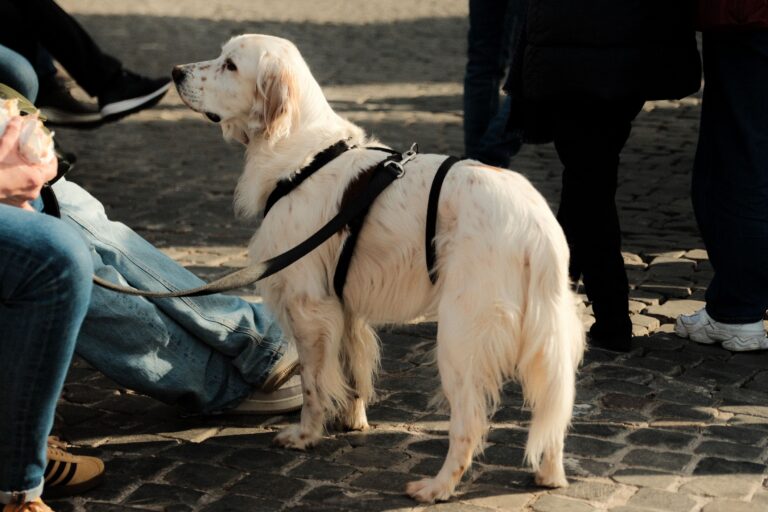
- [ ] Use supportive harnesses: For unavoidable stairs, use a supportive chest-and-hip lift harness rather than pulling on a collar.

3. Rest & Sleeping Zones: Optimising Joint Relief
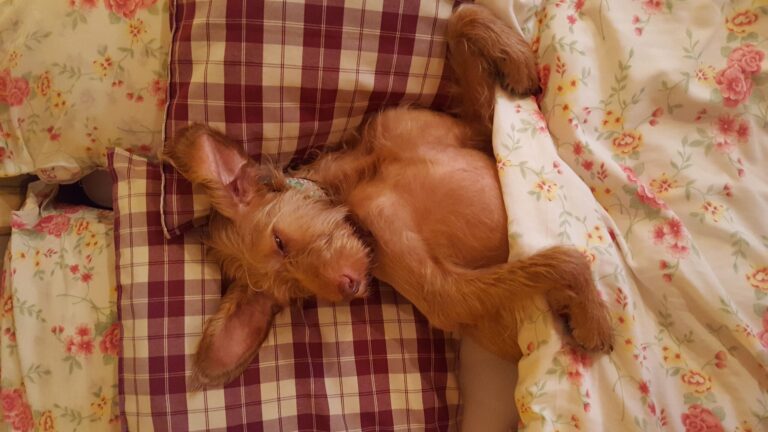
Senior dogs spend up to 18 hours a day resting. A flat, unsupportive bed forces cold pressure back into stiff joints.
- [ ] Switch to high-density memory foam: Ensure beds are at least 10–12 cm thick to prevent elbows and hips from bottoming out onto hard floors.
- [ ] Position away from draughts: Place beds in quiet, warm corners away from external doors and cold window draughts.
- [ ] Provide multiple sleeping stations: Keep supportive beds in the main living room and bedroom so your dog never has to rest on hard surfaces.
4. Feeding & Water Stations: Reducing Neck & Spine Tension
Bending all the way down to floor-level bowls causes discomfort for dogs with cervical spine stiffness or front-leg weakness.
- [ ] Elevate bowls slightly: Use an adjustable raised bowl stand to set food and water at mid-chest height.
- [ ] Place water on non-slip mats: Wet tiles around water bowls are instant slip hazards—use an absorbent rubber-backed mat underneath.
- [ ] Add secondary water bowls: Keep water bowls accessible on every floor of your home to encourage proper hydration without long walks.
Senior Dog Home Adaptation Summary Checklist
| Home Area | Primary Hazard | Quick Fix Solution |
| Living Room | Hard furniture jumps | Non-slip foam ramps or steps |
| Hallways | Smooth laminate/tile | Rubber-backed runner rugs |
| Stairs | Slippery treads & falls | Baby gates at top & bottom |
| Feeding Area | Neck strain & bowl sliding | Raised feeder on a rubber mat |
Recommended Next Steps for Your Senior Dog
Need specific recommendations on mobility equipment and home comfort products? Explore our full collection of tested guides in our Everyday Living & Gear Hub.