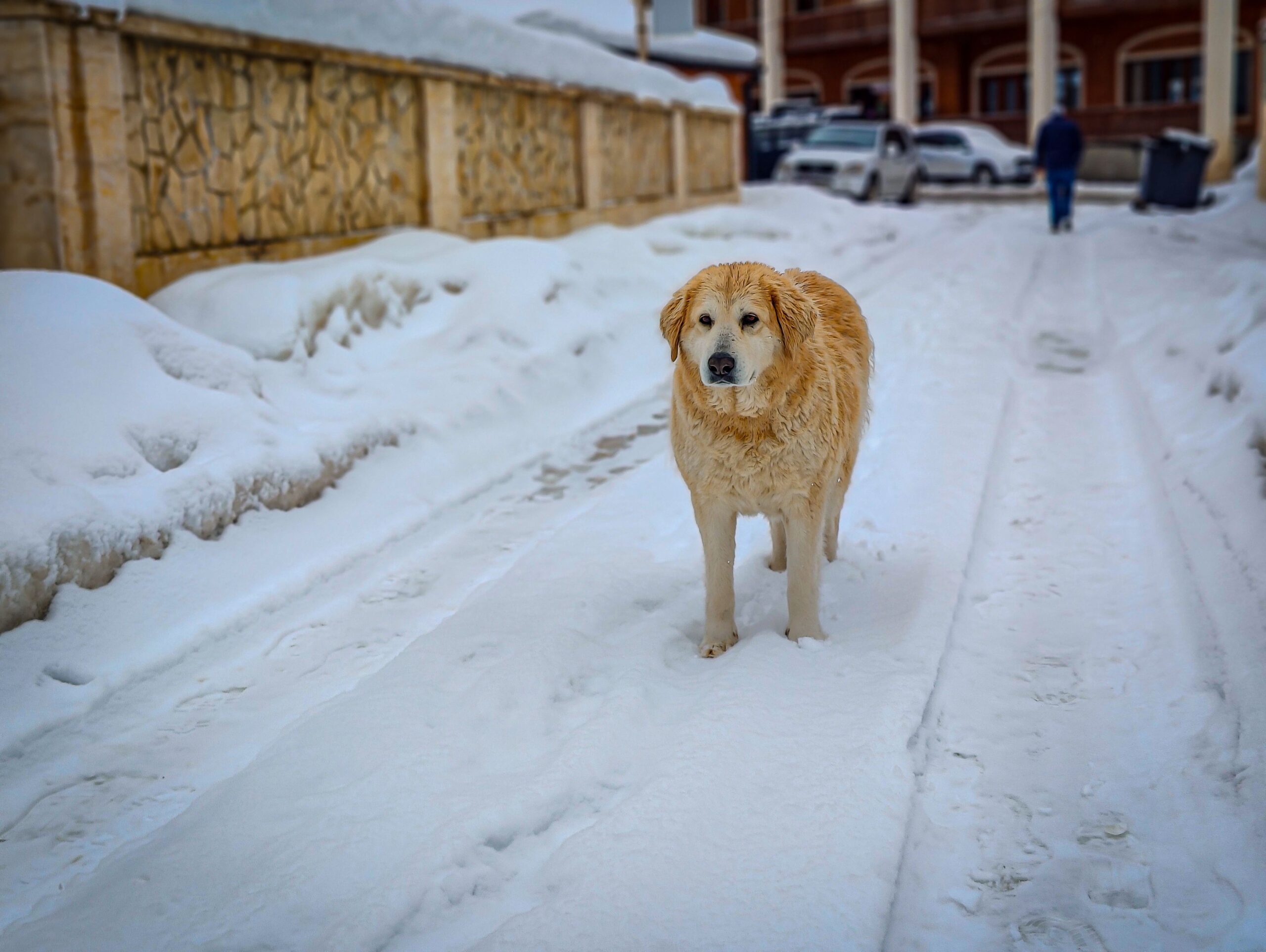
Protecting Senior Dog Paws From Winter Ice, Salt, and Chemical Melts
A crisp winter walk is wonderful for keeping an older dog active, but frozen pavements hide serious hazards underfoot. As soon as temperatures drop across the UK, local councils and homeowners spread rock salt, grit, and chemical de-icers to prevent slips. For a senior dog, walking across these treated paths without protection can quickly turn a gentle stroll into a painful experience.
Unlike younger dogs with thick, resilient paw pads and quick reflexes, a senior dog often has thinner, drier skin on their feet, slower circulation, and reduced mobility that prevents them from lifting their paws away from irritating surfaces. Worse still, when a senior dog returns home and licks their sore feet, they ingest toxic chlorides and de-icing chemicals that can trigger severe stomach upset or poisoning.
Establishing a simple pre-walk and post-walk winter routine protects your senior dog’s paws from chemical burns, frostbite, and painful cracking throughout the coldest months of the year.
Why Winter Pavements Are Tougher on Senior Dogs
Age brings subtle physical changes that make winter conditions much harder for a senior dog’s paws to handle:
- Thinner, Drier Paw Pads: Natural skin elasticity and oil production decline with age, leaving a senior dog’s pads far more vulnerable to drying out and splitting on frozen concrete.
- Reduced Circulation: Older dogs—especially those with heart conditions, hypothyroidism, or arthritis—have poorer peripheral blood flow, meaning their extremities chill faster on icy ground.
- Slower Gait and Toe Dragging: A senior dog with hind-leg weakness often drags their feet slightly while walking. This increases friction against sharp grit crystals and forces salt directly into the delicate webbing between the toes.
- Joint Pain on Uneven Ice: Frozen slush and compacted snow create uneven surfaces that strain stiff joints, while slipping on black ice risks sudden muscle tears.
The Hidden Dangers: Rock Salt, Grit, and Chemical Melts
Understanding what lies on winter pavements helps you spot the risks before your senior dog steps into them.
1. Council Rock Salt and Grit
Standard road grit is a mixture of sharp stone particles and rock salt (sodium chloride). The jagged edges can cause tiny micro-cuts in softened winter paw pads, while the salt acts as a strong desiccant—drawing moisture straight out of the skin and causing stinging chemical irritation.
2. Commercial Chemical Ice Melts
Many residential driveways and commercial car parks use heavy-duty chemical melts containing calcium chloride, magnesium chloride, or urea. These formulas generate heat as they dissolve ice, which can cause genuine chemical burns on sensitive senior dog paw pads.
3. Antifreeze Runoff
During freezing weather, leaking car radiators and screenwash reservoirs leave puddles of ethylene glycol or propylene glycol on driveways and gutters. Antifreeze has a sweet taste that attracts dogs, yet even a small lick off a wet paw can cause fatal kidney failure.
4 Ways to Protect Your Senior Dog’s Paws Before Heading Out
A few minutes of preparation by the front door creates a reliable shield against ice and salt.
1. Apply a Natural Paw Barrier Balm
Before stepping outside, rub a thin layer of beeswax- or shea-butter-based paw balm across your senior dog’s pads and between their toes.
- How It Helps: A breathable wax balm forms a physical water-repellent barrier that stops salt crystals and liquid de-icers from soaking into porous pad tissue, while preventing snow from balling up in the fur.
- What to Avoid: Skip standard human petroleum jelly (like Vaseline). It sits heavily on the surface, attracts dirt, and encourages dogs to lick it off immediately.
2. Trim Fur Between the Toe Pads
For breeds with feathered feet—such as Spaniels, Golden Retrievers, and Terriers—long hair growing between the paw pads acts like a magnet for slush and rock salt. Use blunt-nosed grooming scissors to carefully trim this fur flush with the level of the pads so ice balls cannot form and pull on delicate skin.
3. Use Waterproof Winter Booties (For Severe Weather)
If pavements are heavily gritted or your senior dog has cracked pads that are already healing, waterproof winter dog boots offer complete physical insulation. Ensure the boots fit snugly around the ankle without restricting circulation, and choose flexible rubber soles so your senior dog can still feel the ground beneath them.
4. Switch to Pet-Safe De-Icers at Home
Avoid using standard rock salt on your own garden paths and driveway. Instead, use pet-safe, chloride-free ice melts (such as urea-free granular melts) or simple sharp sand and fine gravel to create traction without chemical burns.

Winter Paw Protection Options Compared
| Protection Method | Best Used For | Key Advantage | Maintenance Required |
| Waxy Paw Barrier Balm | Everyday frosty walks and damp pavements | Quick to apply; dogs rarely notice it | Reapply before every walk; wipe off indoors |
| Waterproof Dog Boots | Deep snow, heavy road grit, or healing cuts | 100% barrier against salt, cold, and antifreeze | Must be removed immediately indoors and dried |
| Trimmed Pad Fur | Long-haired breeds prone to snowballs | Prevents painful ice clumps pulling between toes | Trim every 2 to 3 weeks through winter |
| Pet-Safe Home Grit | Your own driveway, garden steps, and patio | Eliminates chemical tracking into the house | Sweep up loose sand/gravel once ice thaws |
The Essential Post-Walk Paw Washing Routine
Even with barrier balm, you should never let a senior dog walk straight onto their bed after walking on treated pavements. Keep a dedicated “winter paw station” right inside your front or back door:
- Dip or Wipe Immediately: Place a shallow bowl of lukewarm (never hot) water by the door and dip each paw in turn, or use a warm, damp microfibre cloth to gently wipe between every toe and around the nail beds. This dissolves hidden salt crystals before your dog can lick them.
- Dry Thoroughly: Pat each paw completely dry with a soft towel. Leaving moisture trapped between the toes of an older dog invites yeast infections and painful skin chapping.
- Inspect Under Good Light: Take ten seconds to check the pads for redness, small grit cuts, or split nails.
- Moisturise If Needed: If the pads feel rough or dry once completely clean, massage in a drop of soothing, lick-safe paw balm to keep the skin supple overnight.
Frequently Asked Questions
How can I tell if road salt is hurting my senior dog’s paws during a walk?
Watch for sudden changes in behaviour: if your senior dog repeatedly lifts one paw off the ground, stops walking abruptly, begins limping, or tries to sit down on the pavement, salt or ice may be burning their pads. Pick them up if possible, or carry them onto clean grass to wipe their feet.
What are the signs that my senior dog has licked road salt or antifreeze?
Ingesting rock salt typically causes excessive drooling, vomiting, diarrhoea, and extreme thirst. Antifreeze poisoning is a medical emergency—symptoms include wobbliness (appearing “drunk”), lethargy, and vomiting. Contact your vet immediately if you suspect your senior dog has ingested any de-icing product.
The Bottom Line
Winter walks do not need to stop when the frost arrives, provided you adapt your routine to protect aging feet. Combining a pre-walk barrier balm, trimmed pad fur, and a quick lukewarm paw wash at the doorstep keeps your senior dog safe from painful salt burns and toxic chemical melts all winter long.
How does your senior dog handle icy winter pavements? Share your favourite winter paw care tips in the comments below!