Turmeric and Curcumin Golden Paste Recipes and Dosing for Senior Dogs
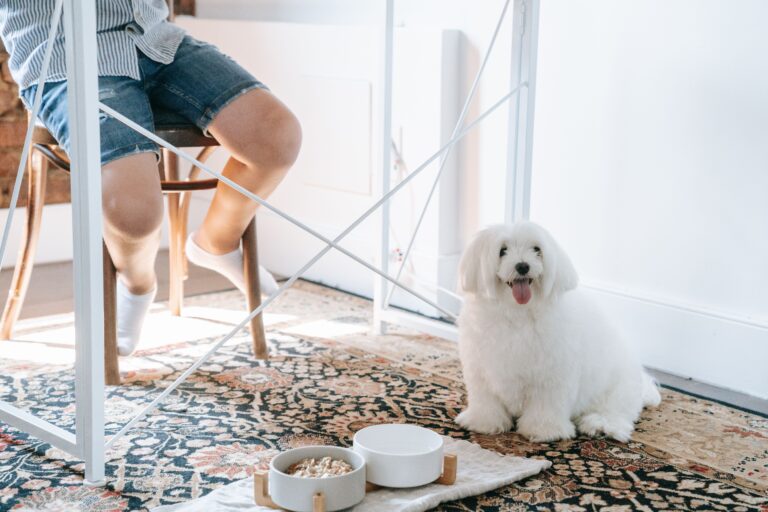
Watching a senior dog hesitate before standing up, slow down on favourite walks, or stiffen after a nap often prompts owners to look beyond standard kibble for extra joint and comfort support. Among natural kitchen staples, golden paste—a blend of turmeric root powder, water, a healthy oil, and freshly ground black pepper—has become one of the most talked-about whole-food additions for aging dogs.
Turmeric contains active compounds called curcuminoids, the best known of which is curcumin. In laboratory and veterinary research, curcumin has been studied for its natural antioxidant and anti-inflammatory properties. For older dogs managing age-related stiffness, mild joint wear, or general oxidative stress, golden paste offers an affordable, measurable way to add turmeric into daily meals.
However, turmeric is not a cure-all, and how you prepare and dose it matters enormously. Curcumin is poorly absorbed on its own, and high or careless amounts can irritate a sensitive senior stomach or interact with existing medications. Here is a practical guide to making golden paste safely, dosing it sensibly for a senior dog, and knowing when to hold back.
How Turmeric and Curcumin Work—and Why Absorption Is Tricky
Turmeric (Curcuma longa) is a bright golden spice used for centuries in cooking and traditional wellness practices. Its appeal for senior dogs centres on how curcumin interacts with inflammatory pathways and free radicals in the body.
- Antioxidant Support: Aging increases everyday cellular wear and oxidative stress. Curcumin helps neutralise free radicals alongside other dietary antioxidants.
- Inflammatory Pathway Modulation: Curcumin is widely researched for supporting healthy inflammatory balance, which is why owners often explore it alongside joint care routines, weight management, and omega-3 fatty acids.
- Low Natural Bioavailability: Left plain, curcumin dissolves poorly in water, is metabolised quickly, and passes through the digestive tract largely unabsorbed.
That low absorption is the exact reason golden paste exists rather than simply sprinkling dry turmeric powder on top of dog food. Pairing turmeric with a fat source helps carry fat-soluble compounds, while a small pinch of black pepper provides piperine, a compound well known for boosting curcumin absorption—though it also requires care in dogs with sensitive digestion or gut conditions.
Classic Golden Paste Recipe for Senior Dogs
Making golden paste at home takes about ten minutes on the hob and gives you complete control over the ingredients. Keep the batch small so it stays fresh and accurate to measure.
Ingredients
- 120 ml (1/2 cup) filtered water (plus a little extra if needed while simmering)
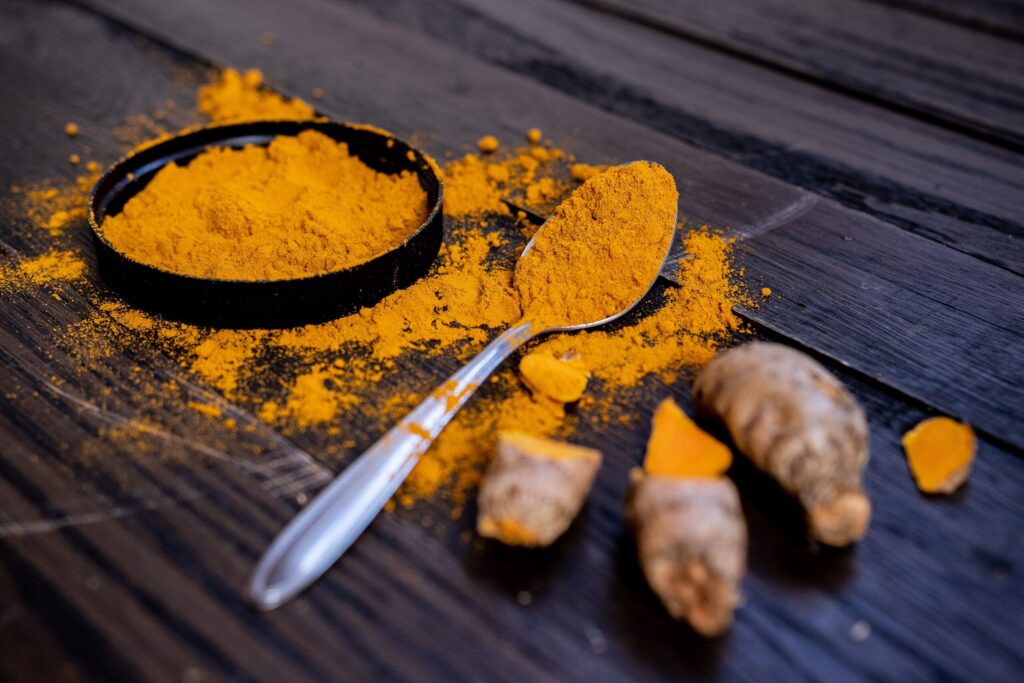
- 60 ml (1/4 cup) organic turmeric root powder
- 30 to 45 ml (2 to 3 tablespoons) cold-pressed coconut oil or extra-virgin olive oil (choose whichever oil your senior dog tolerates best; many owners prefer coconut oil for its firm texture once cooled)
- 1.5 to 2 ml (about 1/4 to 1/2 teaspoon) freshly ground black pepper (reduce to a tiny pinch or omit if your senior dog has a sensitive stomach or reflux)
Step-by-Step Method
- Bloom the Turmeric: Whisk the turmeric powder and water together in a small saucepan over low-to-medium heat. Stir gently for 5 to 8 minutes until it forms a thick paste. If it dries out too quickly, add a splash of water.
- Stir in the Oil and Pepper: Turn the heat down low and stir in your chosen oil and the black pepper. Cook gently for another 1 to 2 minutes until everything is evenly combined and glossy.
- Cool and Store: Let the paste cool completely before transferring it to a clean glass jar with a tight lid. Store it in the fridge for up to 2 weeks, or freeze small teaspoon-sized portions in an ice cube tray for up to 2 to 3 months.
Tip: Always stir the paste well before scooping a dose, as natural separation can occur.
Gentle Sensitive-Stomach Golden Paste Variation
Many senior dogs have pickier appetites or more delicate stomachs than they did in middle age. If black pepper or coconut oil causes mild indigestion, try this gentler variation:
- Swap the Fat: Use cold-pressed olive oil, camelina oil, or salmon/omega-3 oil added after cooking if coconut oil feels too heavy on digestion.
- Go Light on Pepper: Start with just a light pinch of finely ground black pepper—or leave it out initially—and watch how your senior dog’s stool and comfort look over the first week.
- Mix Into Wet Food or Bone Broth: Stir the cooled paste into warm, dog-safe low-sodium bone broth or wet food rather than serving it straight off the spoon, which can overwhelm sensitive taste buds or coat the tongue unpleasantly.
Dosing Guidelines for Senior Dogs: Start Low and Go Slow
There is no single universal veterinary dose of golden paste for every dog, because concentration varies by recipe and each dog’s health history is unique. The safest rule with any new supplement for a senior dog is to start low, go slow, and monitor closely.
Typical Starting and Build-Up Approach
Many owners begin with a small starting amount once daily mixed into food for the first 5 to 7 days, then gradually increase toward a typical maintenance range only if the dog tolerates it well:
| Senior Dog Size | Typical Starting Dose (Once Daily) | Typical Upper Range (Split or Once Daily) | Practical Feeding Tip |
| Small Dogs (under 10 kg) | About 1/8 to 1/4 teaspoon paste | Up to 1/2 teaspoon total per day | Measure carefully with small baking spoons; stir into wet food |
| Medium Dogs (10 to 25 kg) | About 1/4 to 1/2 teaspoon paste | Up to 1 teaspoon total per day | Mix thoroughly so your dog doesn’t leave a turmeric clump |
| Large & Giant Dogs (over 25 kg) | About 1/2 teaspoon paste | Up to 1 to 1.5 teaspoons total per day | Divide into two meals if giving higher amounts to ease digestion |
Note: If you use a commercial curcumin supplement or curcumin phytosome capsule/chew instead of homemade paste, follow the manufacturer’s label and your vet’s advice, as concentrated extracts are formulated differently from kitchen golden paste.
Watch for Side Effects During Week One
Introduce golden paste gradually so you can spot any issues right away:
- Digestive Upset: Loose stools, soft motions, gas, or mild nausea are the most common early signs if the dose is too high or introduced too quickly.
- Appetite Changes: Some senior dogs dislike the earthy aroma or peppery warmth and turn their nose up at meals.
- Bright Yellow Stools: Don’t be alarmed if your dog’s stools turn slightly yellowish or orange—that is normal pigment passing through, provided stool consistency stays healthy.
If your senior dog develops stomach upset, pause the paste for a couple of days, then restart at half the dose or stick with a gentler recipe.
When to Speak to Your Vet First (Safety & Interactions)
Even natural ingredients can cause problems in certain situations. Check with your vet before adding turmeric or golden paste if your senior dog:
- Takes Regular Medication: Turmeric and piperine can interact with certain drugs, including anti-inflammatories (NSAIDs), blood thinners/anticoagulants, diabetes medications, or liver-processed prescriptions.
- Has Gallbladder, Bile Duct, or Liver Issues: Turmeric stimulates bile flow, which can be unsuitable for dogs with gallbladder obstructions or specific liver conditions.
- Has Chronic Stomach Ulcers or Acid Reflux: Spices and black pepper can irritate a sensitive upper GI tract.
- Is Preparing for Surgery: Supplements that may affect clotting or bleeding risk are often paused ahead of procedures on veterinary advice.
Also keep in mind that golden paste is a supportive nutrition addition, not a replacement for pain relief prescribed by your vet, weight control, or joint-friendly exercise.
Frequently Asked Questions
How long does golden paste take to show any difference in a senior dog?
There is no instant overnight shift. When owners do notice subtle improvements in comfort or ease of movement alongside good overall care, it typically takes 3 to 6 weeks of consistent daily use—and some senior dogs show little noticeable change at all.
Will turmeric stain my senior dog’s fur or my carpets?
Yes—turmeric is a strong natural dye. It can stain light-coloured muzzles or paws if a dog licks a spill or has messy eating habits, and it will stain pale rugs, fabric beds, or kitchen worktops quickly. Wipe up drips straight away with warm soapy water.
The Bottom Line
Turmeric and curcumin golden paste can be a worthwhile, budget-friendly addition to a senior dog’s diet when prepared properly and introduced gently. By starting with a small dose, watching your dog’s digestion, and checking in with your vet around existing medications or health conditions, you can see whether golden paste earns a steady spot in your senior dog’s daily routine.
Have you tried golden paste with your senior dog, or do you stick to other joint and wellness foods? Share what has worked for you in the comments below!