Senior Dog Toe Grips vs. Non-Slip Boots for Wooden Floors
Helping you to choose between senior dog toe grips or non slip boots.
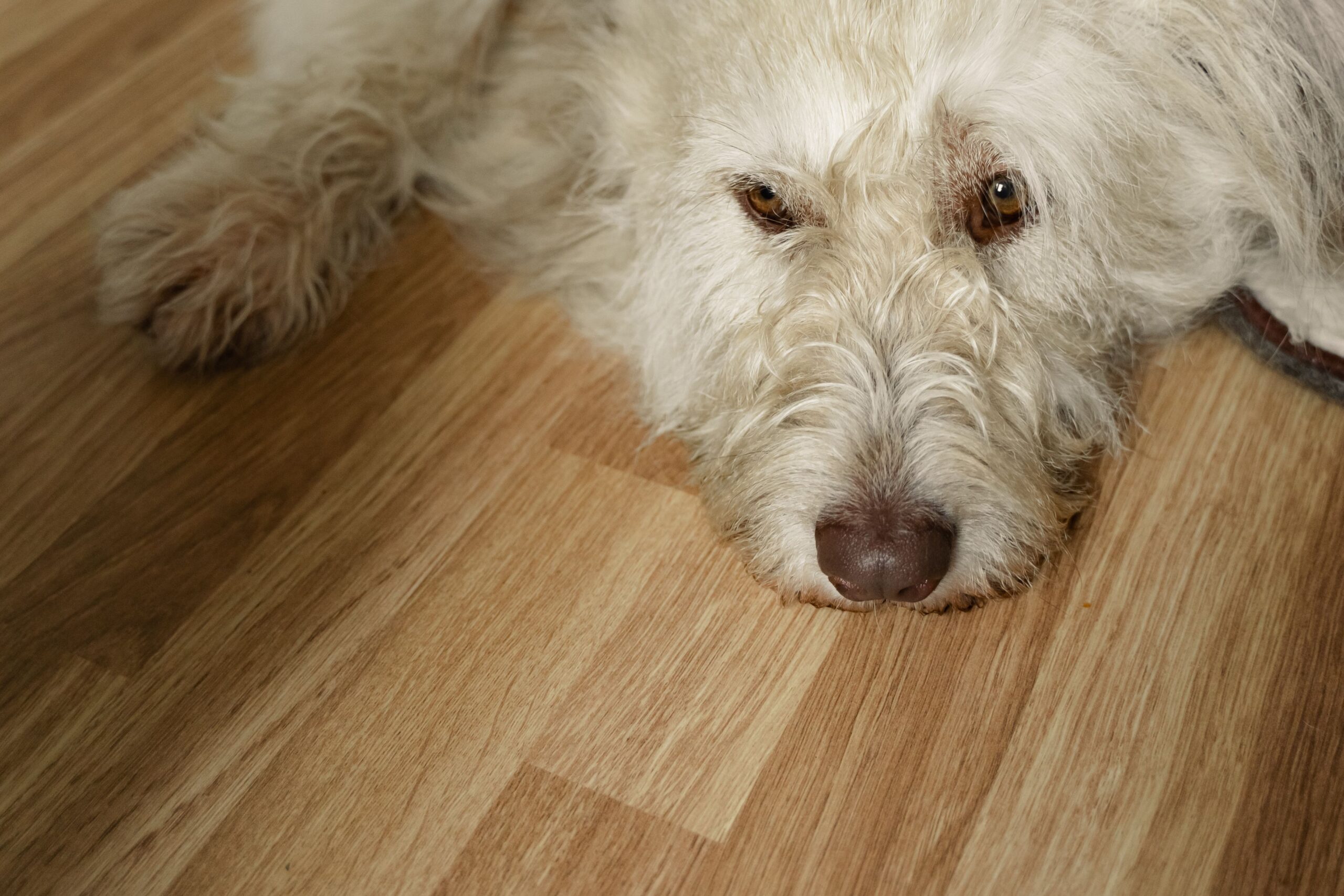
Watching a senior dog struggle to stand on smooth wood or tiled flooring is heart-wrenching for any owner. As dogs grow older, weakening hind legs, reduced grip strength, and progressive joint stiffness from conditions like canine arthritis make slick surfaces feel like an ice rink.
When a senior dog slips, it is not just a momentary scare. A sudden fall can cause severe muscle strains, torn ligaments, and lasting psychological trauma. Fear of falling often leads to “floor anxiety,” where a senior dog becomes hesitant to walk across certain rooms altogether.
Restoring traction to your living space is vital for maintaining your senior dog’s independence. While area rugs and rubber runners offer great static protection, active traction aids attached directly to your dog’s paws provide continuous support wherever they walk. The two most popular choices are rubber toe grips and full non-slip boots.
Here is our comprehensive comparison of toe grips versus non-slip boots for senior dogs on wooden floors, helping you select the safest option for your companion.
Understanding the Wooden Floor Hazard for Senior Dogs
To understand why senior dogs struggle on smooth flooring, it helps to look at canine mechanics. Young dogs push off using their natural toe grips—their nails—and rely on pliable paw pads to create friction.
As a senior dog ages, several physical changes disrupt this balance:
- Muscle Atrophy: Weakening hindquarters reduce the dog’s ability to drive upward when standing from a lying position.
- Nail Extension: Older dogs often develop longer nails due to less active wear, causing the paw to tip backward slightly and reducing pad contact with the floor.
- Reduced Paw Sensitivity: Degenerative spinal issues or neuropathy can impair a senior dog’s spatial awareness of their paws, making recovery from a slip much slower.
When a senior dog loses traction, their legs sprawl outward—a position often referred to as “splay-legging.” This causes intense strain on the hips and groin, making continuous traction solutions essential for daily mobility.
Option 1: Rubber Toe Grips for Senior Dogs
Rubber toe grips are small, durable silicone or natural rubber rings that slide directly onto a senior dog’s individual weight-bearing nails.
How Toe Grips Work
Unlike boots, which cover the entire paw, toe grips utilize the dog’s natural anatomy. When a senior dog stands or walks on wooden floors, their nails naturally come into contact with the ground. The rubber material of the toe grip creates a high-friction point between the hard nail and the slick floor, preventing the paw from sliding out under weight.
Advantages of Toe Grips
- Natural Paw Sensation: Because toe grips leave the underside of the paw pad completely uncovered, your senior dog retains full sensory contact with the ground. This is crucial for older dogs with mild nerve damage who rely on feeling the floor to maintain balance.
- Continuous 24/7 Wear: Toe grips are designed to remain on the dog’s nails for several weeks at a time. Your senior dog receives traction assistance day and night, including during late-night trips to the water bowl.
- No Heat Trapping: Dogs sweat through their paw pads. Since toe grips cover only the nail tips, they allow the paw pads to breathe naturally without moisture buildup.
Disadvantages and Limitations
- Sizing Precision: Toe grips require exact nail measurements. If a grip is too small, it will split; if it is too large, it will slide off instantly.
- Application Technique: Installing toe grips requires a patient dog and good hand dexterity. You must trim the nails properly first and push each grip firmly onto the weight-bearing nails.
- Nail Condition: Toe grips require healthy, fully intact nails. They cannot be used on dogs with brittle, diseased, or heavily split nails.
Option 2: Non-Slip Boots for Senior Dogs
Non-slip boots are full-coverage footwear featuring rubberized, high-traction soles and adjustable velcro straps around the ankle.
How Non-Slip Boots Work
Non-slip boots enclose the entire paw, placing a textured rubber sole beneath the dog’s natural paw pads. They act similarly to human anti-slip shoes, offering maximum friction over a wide surface area.
Advantages of Non-Slip Boots
- Maximum Surface Area Friction: Boots provide a massive treaded surface beneath the paw, making them exceptionally effective for severe hind leg weakness where a senior dog drags their feet.
- Paw Protection: Beyond indoor traction, boots protect delicate senior dog skin from scuffing, knuckling injuries, or scraping against hard surfaces.
- Easy On-and-Off Application: For owners who prefer not to leave traction devices on permanently, boots can be slipped on during high-activity hours and removed before bed.
Disadvantages and Limitations
- Sensory Deprivation: Enclosing the paw pad blocks sensory feedback from the ground. Some senior dogs feel disoriented in boots and may lift their legs unnaturally high or refuse to move.
- Overheating and Moisture: Leaving boots on for extended periods traps sweat and moisture around the paw, which can lead to skin irritation or fungal infections. Boots must be removed multiple times daily to allow paws to air out.
- Twisting and Slipping: If a boot shifts on the foot during a turn, the rubber sole can end up on top of the foot, leaving smooth nylon against the wooden floor—creating a dangerous slip hazard.

Toe Grips vs. Non-Slip Boots: Comparison
| Feature | Rubber Toe Grips | Non-Slip Boots |
| Primary Mechanism | Friction rings on nail tips | Full rubber sole under paw pad |
| Wear Duration | 24/7 continuous wear (weeks) | Short-term wear (must air out daily) |
| Paw Pad Exposure | 100% uncovered | Fully covered |
| Best For | Mild to moderate slipping, nighttime mobility | Severe knuckling, foot dragging, outdoor scuffing |
| Sizing Sensitivity | High (requires precise nail measurement) | Moderate (based on paw width) |
| Dog Acceptance | High (dogs rarely notice them) | Moderate (requires adjustment time) |
Which Traction Solution Is Right for Your Senior Dog?
Choosing between toe grips and non-slip boots depends entirely on your senior dog’s physical needs and daily routine.
Choose Toe Grips If:
- Your senior dog needs continuous traction assistance during the night without supervision.
- Your senior dog dislikes wearing clothing, socks, or boots and tends to shake their feet.
- Your senior dog’s main issue is slipping on smooth indoor floors while standing up or walking normally.
- You want a low-maintenance solution that stays in place for several weeks.
Choose Non-Slip Boots If:
- Your senior dog drags their paws or suffers from knuckling due to neurological decline.
- Your senior dog needs physical protection against scrapes while walking on rough outdoor pavement as well as wooden floors.
- You are comfortable putting on and taking off footwear multiple times throughout the day to prevent moisture buildup.
Tips for Maximizing Traction at Home
While toe grips and boots provide excellent mobility support, combining them with environmental adjustments creates the safest possible home for a senior dog:
- Keep Nails Trimmed: Long nails force a senior dog’s paw into an unnatural posture, reducing grip. Keep nails clipped short, especially when using toe grips.
- Trim Paw Pad Hair: Excess hair growing between paw pads reduces friction significantly. Keep the fur between the pads trimmed flush with the pads.
- Use Paw Balms: Dry, cracked paw pads lose natural grip. Applying a hydrating paw balm improves natural pad traction on wood.
- Combine with Runner Rugs: Place non-slip runner rugs along major walkways (such as from the bed to the food bowl) to give your senior dog extra confidence alongside their wearable traction aids.
Frequently Asked Questions
Can a senior dog sleep in toe grips?
Yes. Rubber toe grips are designed for continuous 24/7 wear and can safely remain on your senior dog’s nails while they sleep, ensuring they have grip if they wake up during the night.
Can a senior dog sleep in non-slip boots?
No. Non-slip boots should never be left on a senior dog overnight. Paws need to breathe to prevent sweat accumulation, skin breakdown, and irritation.
The Bottom Line
Restoring stability on wooden or tiled floors is one of the most effective ways to protect your senior dog’s joints and maintain their confidence. Rubber toe grips offer a comfortable, sensory-friendly 24/7 solution for general floor slipping, while non-slip boots provide heavy-duty protection for dogs with advanced weakness or foot-dragging. Assessing your dog’s specific gait and routine will guide you to the right choice for a safer home.
Has your senior dog struggled with slick floors? Have you tried toe grips or non-slip boots? Share your experiences and questions in the comments below!