Best Lifting Harnesses & Mobility Slings for Older Dogs UK
Written by Gemma Hughes | Senior Mobility & Rehabilitation Advocate
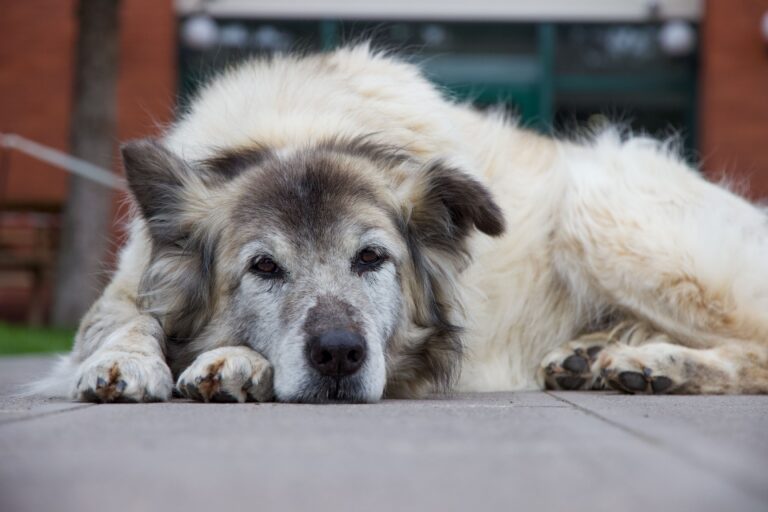
Watching a once-agile senior dog struggle to stand up from their bed, slip on slick wooden floors, or hesitate at the foot of the stairs is one of the hardest parts of living with an aging pet. Severe hip dysplasia, advanced osteoarthritis, or neurological weakness in the hind legs can make everyday transitions painful and daunting for your dog.
Attempting to scoop up a large or heavy dog around their stomach often places unsafe pressure on their spine and internal organs, while also causing back strain for you. Dedicated lifting harnesses and rear leg mobility slings provide ergonomic weight support, allowing you to gently assist your companion while protecting both of your bodies.
1. Comparing Mobility Supports: Slings vs. Full-Body Harnesses
Choosing the right support device depends entirely on your dog’s specific weakness levels and whether they need help only when rising or throughout an entire walk:
| Mobility Aid Type | Best Used For | Key Pros | Potential Drawbacks |
| Rear-Leg Belly Slings | Quick assistance getting up from bed or taking brief toilet trips. | • Quick to wrap around midsection • Lightweight and easy to store near bed | • Can slip forward on male dogs • Not suitable for extended walks |
| Full-Body Lifting Harnesses | Dogs with weakness in both front and rear legs, or managing stairs. | • Even weight distribution across chest/pelvis • Can be worn comfortably for long outings | • Bulkier to put on and adjust initially • Requires precise sizing measurements |
| Rear-Support Hip Harnesses | Focused hind-quarter weakness, hip dysplasia, or recovery after surgery. | • Supports rear legs without pressing on belly • Secure leg loops prevent slipping | • Requires stepping hind legs through loops • Takes time for dogs to get accustomed to |
2. Key Features to Prioritise for Senior Dog Support
When reviewing support harnesses for older dogs in the UK, prioritize these essential design elements:
1. Neoprene and Soft Microfleece Padding
Senior dog skin thins with age, and dogs with joint pain are prone to chafing around the groin and armpits. Ensure all contact points feature thick fleece lining or padded neoprene.
2. Ergonomic Handle Adjustability
Adjustable handle lengths are vital for your own health. You should be able to hold the support straps while standing fully upright to avoid stooping over and hurting your lower back.
3. Male Dog Hygiene Cut-Outs
If you are supporting a male dog, ensure the belly panel or sling is contoured sufficiently back toward the pelvis so they can urinate comfortably without muddying the fabric.
3. How to Introduce a Lifting Sling Safely
For a nervous senior dog, having a strap placed around their hindquarters can feel unfamiliar. Follow these gentle steps to introduce it:
- Desensitise First: Place the harness or sling on the floor near their bed and reward your dog with treats for sniffing it.
- Short Flat Practice: Fasten the support loosely indoors while giving a high-value treat, then gently take 20–30% of their weight for just a few paces across a carpeted room.
- Graduate to Stairs or Cars: Once your dog trusts that the sling supports rather than restricts them, use it to assist with car boots or steps.
Recommended Next Steps for Mobility Support
Looking for additional ways to adapt your home environment and keep your older dog moving comfortably? Explore our complete testing guides and reviews in our Mobility & Joint Care Hub.