Gentle Exercise For Older Dogs with Stiff Joints
When your older dog wakes up stiff, takes a few slow steps to get going, or seems reluctant to stand after a long nap, your first instinct might be to protect their joints by cutting back on walks altogether. However, in canine rehabilitation, we know that movement is medicine. Complete rest causes muscles to atrophy, which actually places more stress on vulnerable joints.
The secret isn’t stopping walks—it is changing how you walk. Swapping long, tiring weekend excursions for structured, low-impact routines can lubricate stiff joints, maintain muscle mass, and keep your older dog feeling strong and mobile.
Here is our practical guide to designing a joint-friendly walking routine for senior dogs.
1. The “Little and Often” Rule
A single 45-minute power walk can leave a stiff senior dog exhausted and sore for days. Instead, change your daily volume strategy.
- Split the Distance: Take two or three short, 15-minute walks spaced throughout the day rather than one long marathon.
- The “Sniffari” Pace: Let your dog dictate the speed. Senior walks aren’t about burning calories; they are about mental enrichment and gentle physical engagement. Allowing them to stop and sniff engages their brain deeply without physical strain.
2. Pre-Walk Warm-Ups for Stiff Joints
Just like humans, older dogs shouldn’t go from a dead sleep straight into high activity. Cold joints lack synovial fluid, making them prone to friction and discomfort.
- Indoor Warm-Up: Before clipping on the lead, encourage your dog to do a few gentle stretches or gentle figures-of-eight in the hallway using a treat.
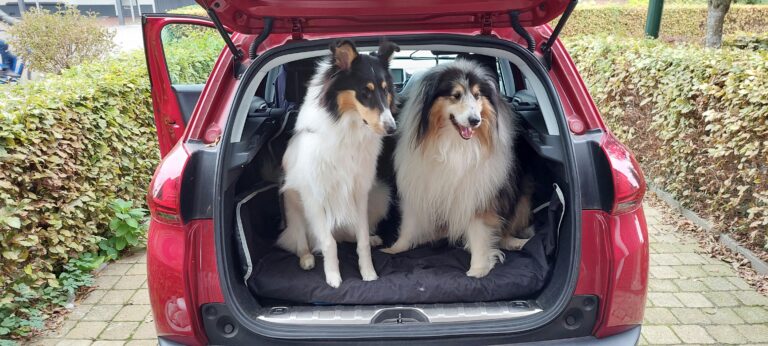
- Avoid Cold Starts: If you have to drive to a walking spot, let your dog warm up with a slow 5-minute stroll on flat ground right after stepping out of the car before letting them wander off-lead or tackle inclines.

3. Choosing Joint-Friendly Terrains
Where you walk matters just as much as how far you go. Hard, unyielding surfaces amplify impact shock through arthritic elbows and carpal joints.
- Best Terrains: Flat park paths, woodchip trails, sandy beaches (firm sand), or well-maintained grassy commons. These surfaces absorb shock naturally.
- Terrains to Avoid: Steep concrete hills, slippery ice, deep loose shingle or pebble beaches that require immense ankle effort, and slick muddy slopes where paws can slip and cause sudden muscle pulls.
4. How to Spot When Your Dog Has Had Enough
Senior dogs will often push through pain just to please their owners. Watch closely for subtle fatigue cues during the walk:
- The Slowdown: If your dog drops from walking beside you to trailing a few steps behind, their joints are tiring out.
- The Sit-Down: Stopping unprompted and sitting down mid-walk is a clear red flag that they need a rest or a lift home.
- Next-Day Stiffness: If your dog is significantly stiffer the morning after a walk than they usually are, scale back the duration or terrain difficulty next time.
The Bottom Line
Joint stiffness doesn’t mean your dog’s adventuring days are over. By embracing shorter, more frequent walks, warming up stiff muscles, and sticking to low-impact ground, you can keep your senior dog’s joints lubricated, mobile, and comfortable.
How does your senior dog handle their daily walks? Share your favorite flat walking routes or pacing tips in the comments below!