Best Raised Dog Bowls for Senior Dogs: Pros & Cons
As dogs age, simple daily activities like eating and drinking can start to cause physical discomfort. If you’ve noticed your older dog trembling, shifting their weight, or splaying their front legs while leaning down to their food bowl, they may be struggling with joint stiffness, arthritis, or neck strain.
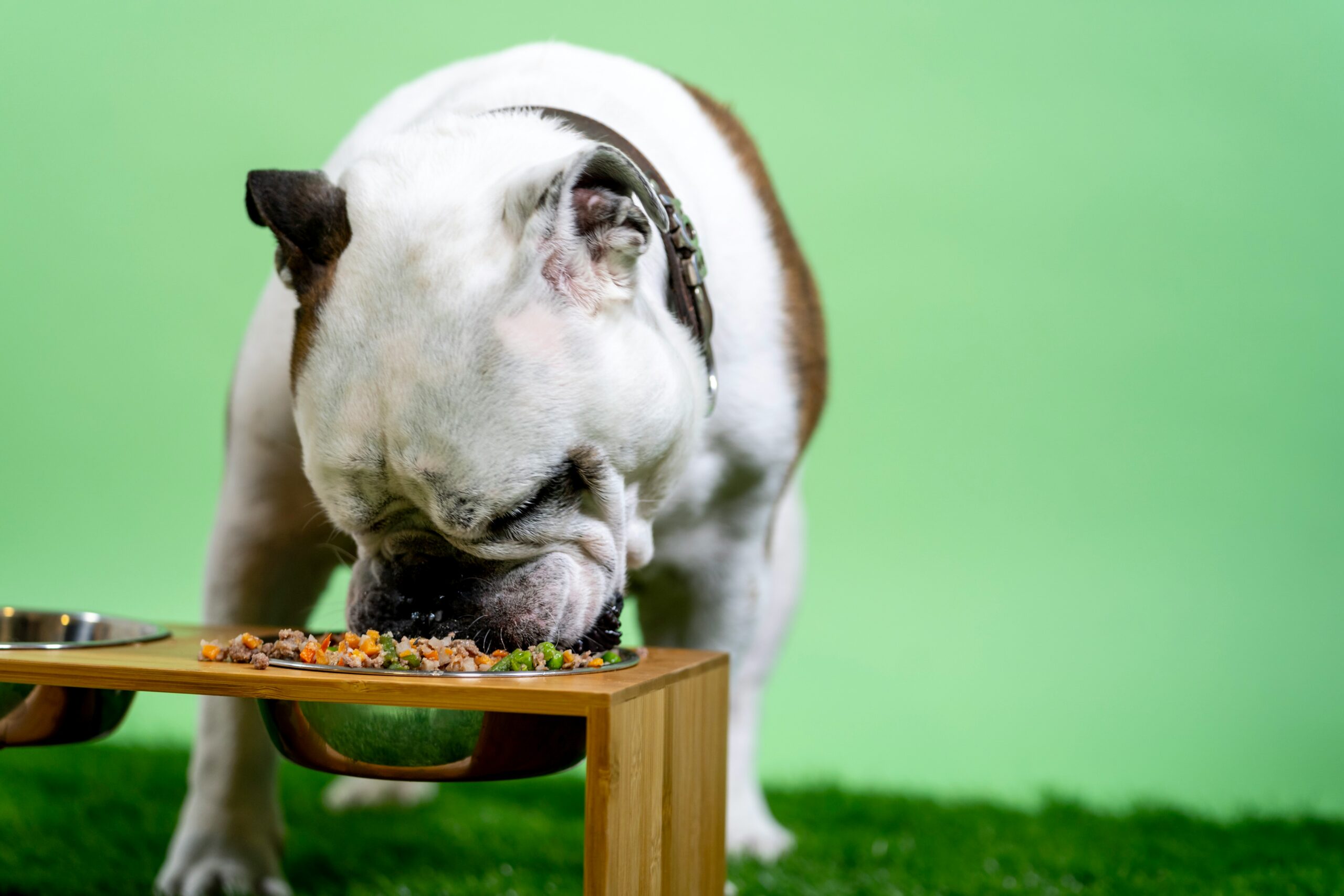
Elevated or raised dog bowls have exploded in popularity across the UK as a potential solution. By bringing food and water closer to mouth height, raised feeders aim to ease physical strain during mealtimes.
However, elevated feeders aren’t a one-size-fits-all solution, and there are important veterinary safety nuances—particularly regarding deep-chested breeds and eating speed. Here is a balanced, honest look at the pros, cons, sizing rules, and top raised bowl designs for senior UK dogs.
1. The Pros of Raised Dog Bowls and how they help Senior Dogs
For an older dog living with reduced mobility, lowering their entire upper body down to floor level twice a day puts considerable load on their front limbs and spine.
- Eases Joint & Spine Pressure: Raising the bowl allows an arthritic dog to maintain a natural, level standing posture. This takes significant pressure off aching elbows, shoulders, wrists, and the cervical spine (neck).
- Prevents Slipping on Hard Floors: When a dog stoops down to a floor-level bowl on smooth wood or laminate, their paws tend to slide outward. Elevated bowls keep their center of gravity back, preventing front-leg splaying.
- Supports Megaesophagus & Acid Reflux: For older dogs with neurological conditions like megaesophagus or chronic acid reflux, elevated feeding allows gravity to assist food in traveling down the esophagus into the stomach.
- Keeps Meals In Place: Raised stands with rubberized bases stop bowls from skittering across the kitchen floor, making eating far less frustrating for dogs with cloudy vision or tremors.
2. The Cons & Safety Warnings (Bloat & Height Risks)
While raised bowls offer clear physical relief, pet owners must be aware of potential drawbacks before making the switch.
The Bloat (GDV) Debate
Gastric Dilatation-Volvulus (GDV), commonly known as “bloat,” is a life-threatening emergency where the stomach fills with gas and twists. Veterinary studies show mixed findings regarding elevated feeders:
- Some research suggests that eating from elevated bowls may cause certain large, deep-chested breeds (such as Great Danes, Weimaraners, German Shepherds, or Irish Setters) to gulp air faster, which could increase the risk of GDV.
- Rule of Thumb: If your dog is a deep-chested breed or a fast “scarfer” who gulps their food down in seconds, consult your vet before moving to a raised bowl, or pair an elevated stand with an anti-gulp slow-feeder insert.

Getting the Height Wrong
Placing a bowl too high forces a dog to tilt their neck upward and stretch awkwardly, which creates new muscle tension in their upper back and shoulders.
3. How to Measure the Correct Bowl Height
A raised feeder should never force a dog to reach up. The goal is simply to bring the rim of the bowl to a height where they can eat with a flat, relaxed spine.
How to Measure Your Dog:
1. Have your dog stand up naturally on a flat floor.
2. Measure with a tape measure from the floor up to the bottom of their lower chest (just behind their front legs).
3. Select a raised stand where the top rim of the bowl sits roughly level with this chest height.
- Small Breeds (e.g., Westies, Jack Russells): 10cm to 15cm (4–6 inches)
- Medium Breeds (e.g., Springer Spaniels, Cockers): 18cm to 25cm (7–10 inches)
- Large Breeds (e.g., Labradors, Golden Retrievers): 30cm to 38cm (12–15 inches)
4. What to Look For in a Quality Senior Dog Feeder
When shopping for an elevated feeder in the UK, prioritize these functional features over decorative aesthetics:
- Adjustable Height Stands: As dogs age or health conditions evolve, adjustable metal or wooden frames allow you to micro-adjust the elevation to their exact comfort spot.
- Heavy Non-Slip Base: Older dogs often rely on the stand for physical support. Ensure the frame has wide rubber feet or heavy construction so it doesn’t tip over.
- Stainless Steel or Ceramic Bowls: These materials are hygienic, rust-resistant, and dishwasher-safe, preventing bacterial buildup that can cause chin acne or mouth irritation.
- Compatibility with Slow Feeders: If your older dog eats quickly, look for stands that accommodate standard silicone slow-feeder mats or maze bowls.
Summary: Is an Elevated Feeder Right for Your Dog?
For the majority of senior dogs suffering from joint stiffness, arthritis, or back pain, a correctly height-adjusted raised bowl makes mealtimes noticeably calmer and more comfortable. By measuring your dog’s chest height and monitoring their eating speed, you can provide an immediate boost to their daily quality of life.
Recommended Next Steps for Everyday Living
Looking for more ways to make daily outings and indoor life effortless for your older companion? Explore our full collection of guides in our Everyday Living & Gear Hub